- 23 January 2026
- Posted by: EYATH S.A.
- Category: All News
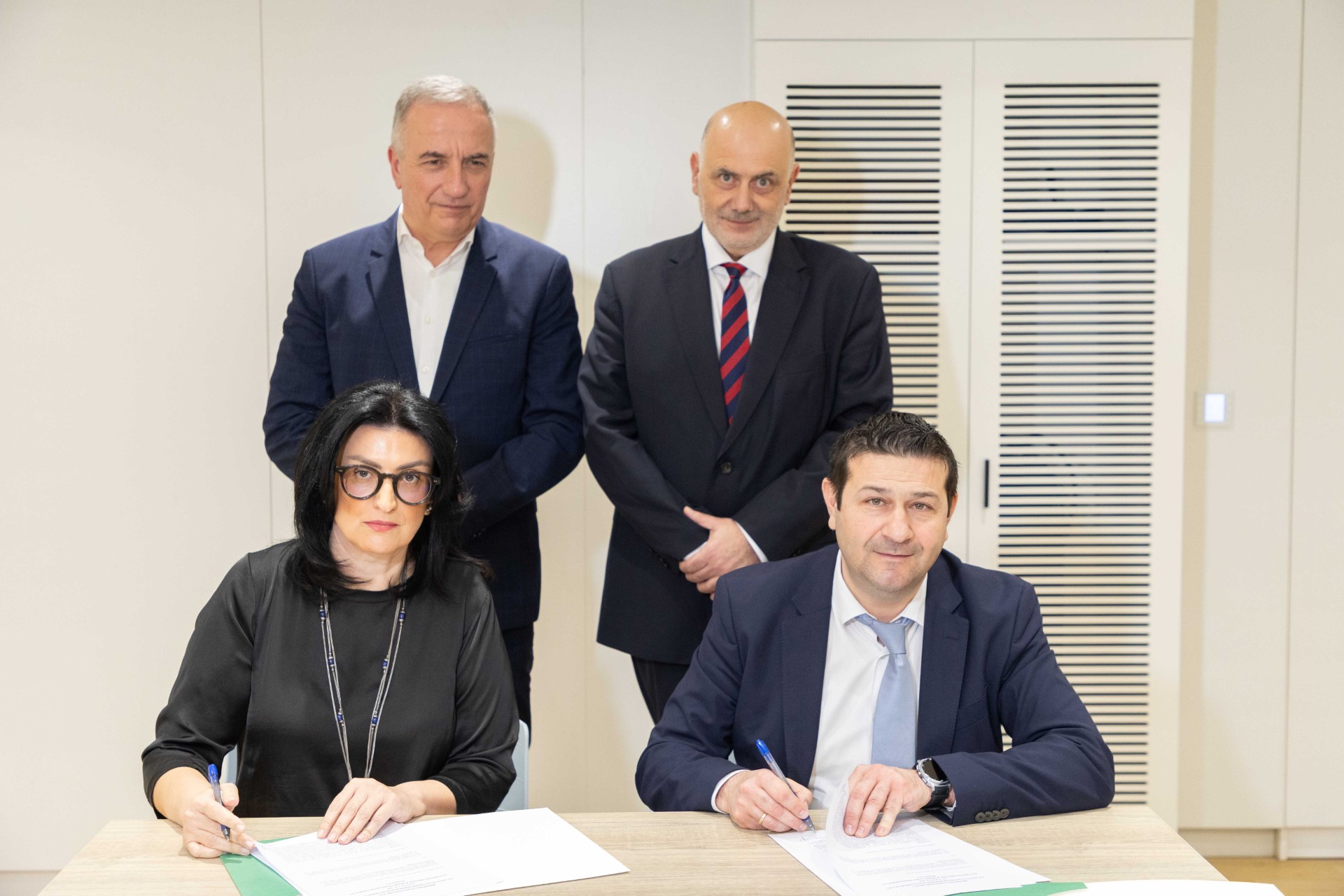
A. Chatzidimitriou and A. Amanatidis, CEO of EYATH, sign the memorandum in the presence of the Deputy Minister of Development and the Chairman of EYATH, Agis Papadopoulos.
EYATH signed a memorandum of cooperation today with the Institute of Applied Biosciences (INEB) of CERTH (Centre for Research and Technology-Hellas) for joint research activities based on the analysis of urban wastewater and inland aquatic ecosystems. The signing took place at the company’s headquarters on Egnatia Street, in the presence of the Deputy Minister of Development, Stavros Kalafatis.
The aim of the memorandum is to foster research activities between the two parties—such as joint funding proposals at national and transnational levels, and information and training initiatives, or even the compilation of databases and information repositories—through the analysis of sequencing data derived from samples of urban wastewater and inland aquatic ecosystems. Studying the composition of samples regarding pathogenic bacterial populations; qualitatively and quantitatively characterizing genes directly linked to antibiotic resistance or hyper-virulence; conducting epidemiological analysis of selected pathogenic viral strains; and examining potential correlations between the use of antimicrobial agents and the prevalence of antimicrobial resistance genes—these are just a few of the topics that could be addressed through joint research between the two parties.
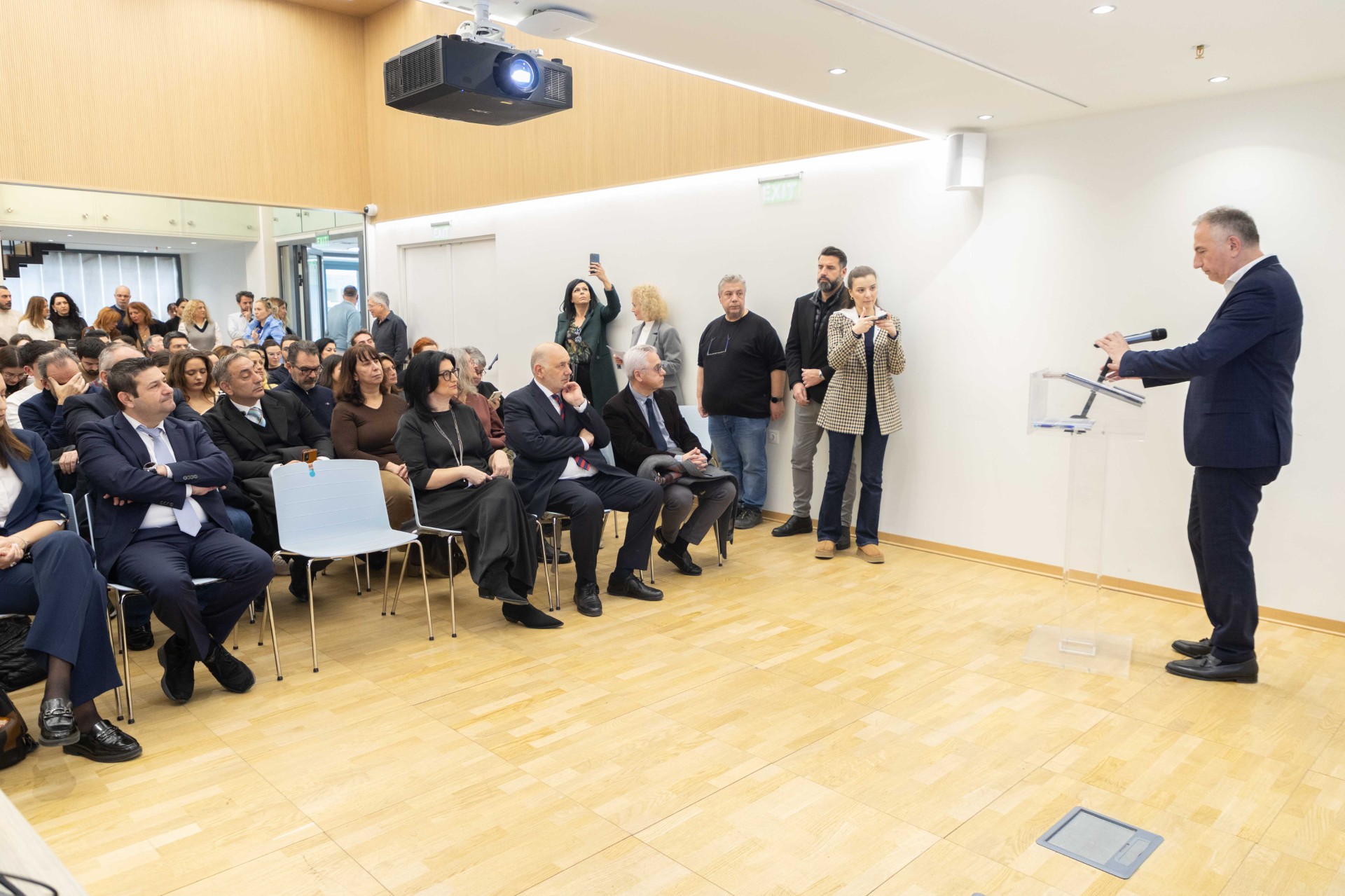
In his address, the Deputy Minister of Development responsible for Research and Innovation, Stavros Kalafatis, noted: “In a world of ever-increasing challenges, investing in research, technological development and innovation, lies at the core of the national development strategy and constitutes a key priority for the government and the Ministry of Development.” “We are putting this goal into practice here today through a significant initiative that acts as a bridge between theoretical knowledge and applied practice, fostering synergies between two key socially-oriented entities: EYATH and INEB/CERTH,” he added, noting that this partnership fully aligns with European and international standards and protocols for biosciences.
“This collaboration marks another significant step toward linking a public utility operator like EYATH with applied research and the utilization of expertise developed at universities and research centers—always with the ultimate goal of protecting public health and the environment,” noted EYATH Chairman Agis Papadopoulos. “After all, we all saw how, during the coronavirus period, wastewater analysis—an initiative pioneered by EYATH in collaboration with AUTH—functioned as a silent yet powerful and reliable early-warning system, providing us with scientifically substantiated, real-time data and transforming our approach to epidemiological surveillance,” he added, referring to the research avenues opened up by the analysis of urban wastewater in partnership with INEB.
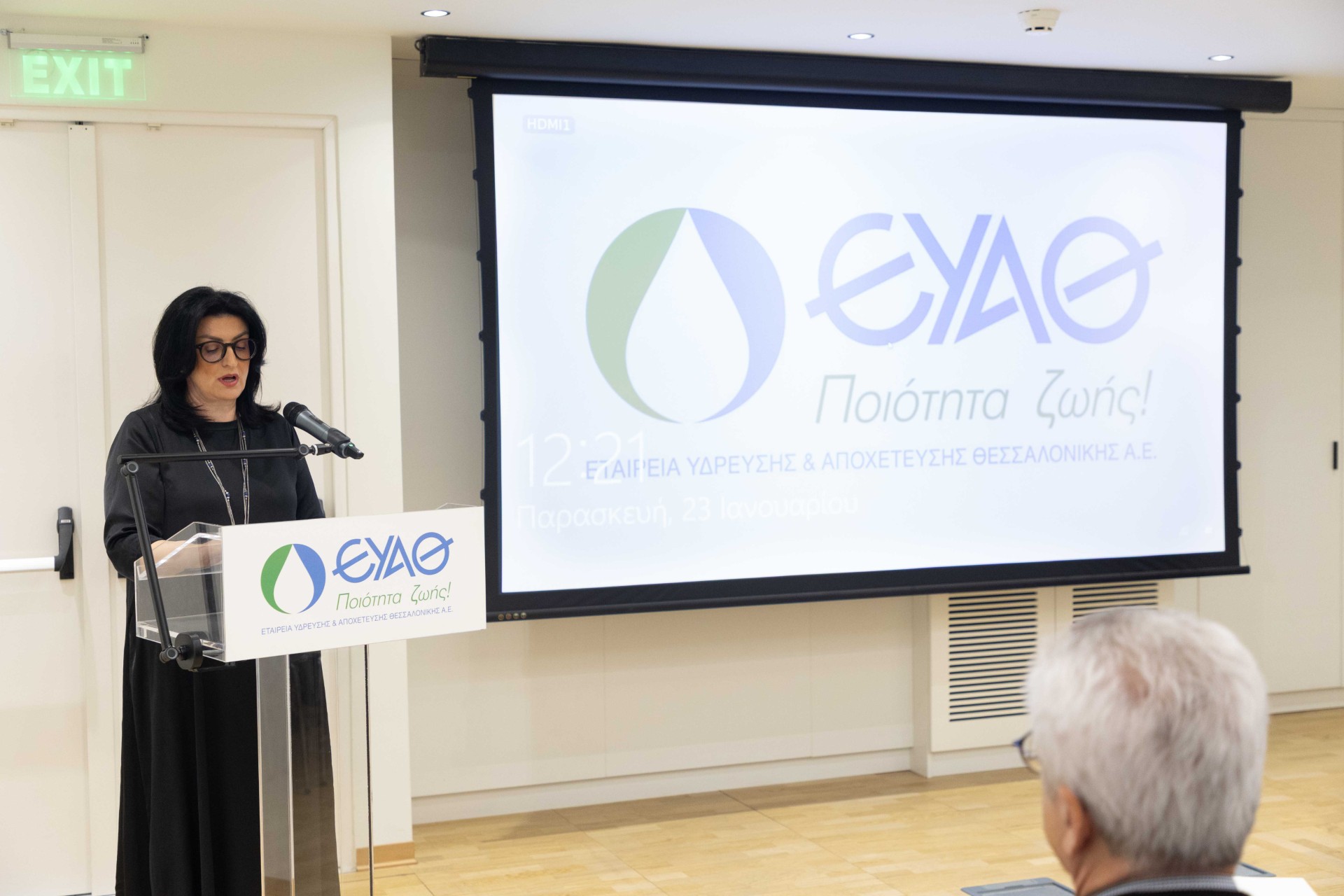
“It is an honor for INEB/CERTH to sign a memorandum of cooperation with EYATH today, strengthening alliances for sustainable development and quality of life in Thessaloniki. Modern research requires collaboration to address challenges such as climate change and the emergence of new pathogens. We possess research expertise in detecting pathogens and pollution in aquatic ecosystems; furthermore, during the pandemic—acting as a regional laboratory for EODY—we contributed significantly to coronavirus surveillance through clinical sample analysis, while simultaneously analyzing wastewater samples in collaboration with EYATH and AUTH to identify viral variants,” stated Anastasia Chatzidimitriou, Director of INEB/CERTH.
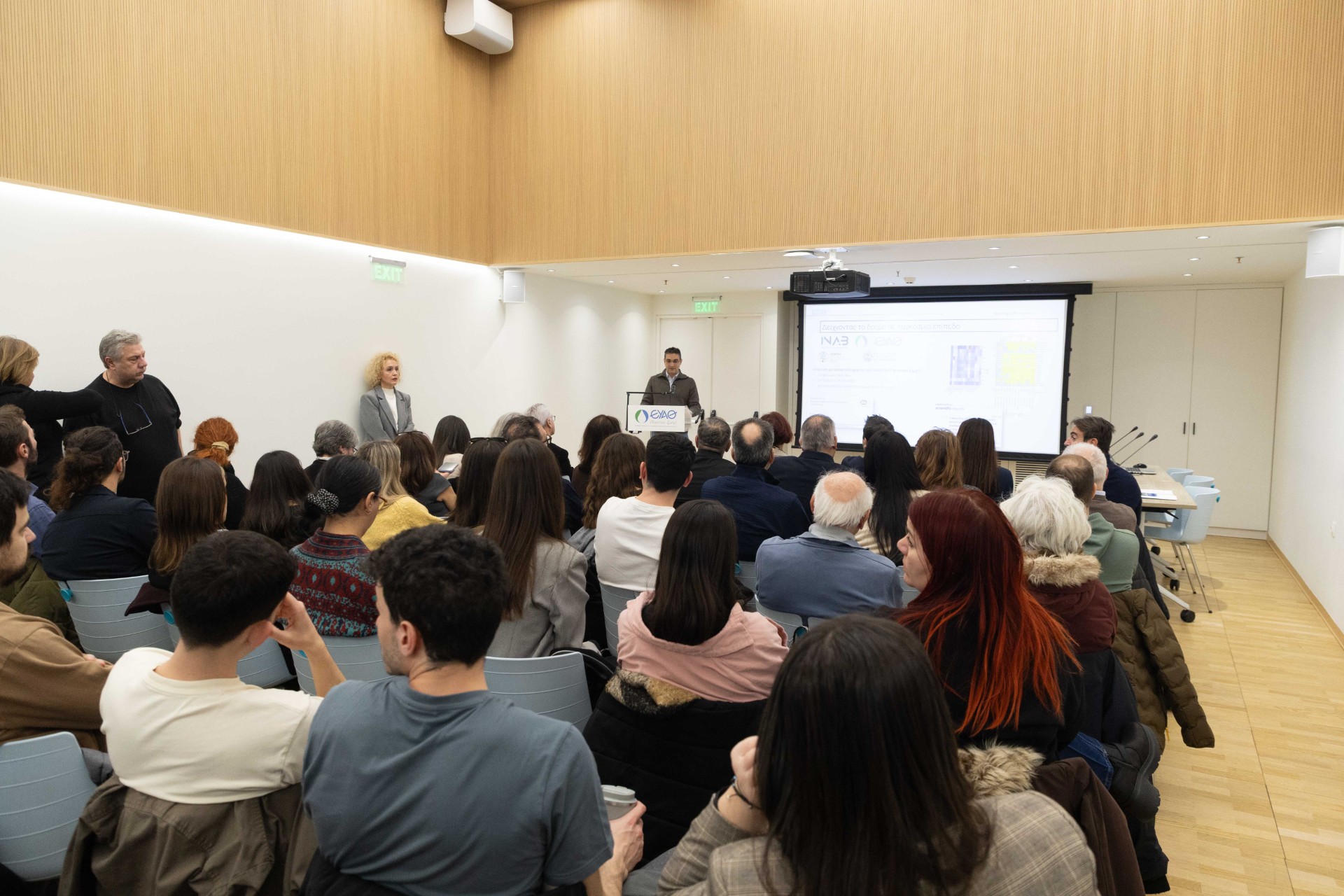
“The integration of genomics, environmental surveillance, and artificial intelligence is fundamentally changing our relationship with the microbial world. Wastewater is no longer merely waste; it constitutes a vital data stream for building a more proactive, resilient, and secure global health infrastructure.” “During the COVID-19 pandemic, wastewater epidemiology demonstrated its ability to detect viral RNA in wastewater prior to surges in clinical cases, providing health authorities with advance warning to implement containment measures,” noted INEB/CERTH researcher Fotis Psomopoulos during his speech at the event.
INEB is actively engaged in the broad field of biosciences and in the production of innovative, high-value products. One of its key objectives is the study of environmental pathogens and the development and application of innovative methods utilizing next-generation sequencing data from environmental samples, with the ultimate goal of improving our understanding of human diseases in relation to the environment. It shares a common interest with EYATH in applied research aimed at benefiting public health and environmental protection.